

Choosing the right loft ladder involves more than picking a design that fits your hatch opening. For homeowners focused on energy efficiency, the materials, seals, and insulation properties built into the ladder and hatch assembly determine how much heat escapes through this often-overlooked access point. Below, we answer the most common questions buyers ask when comparing insulated loft ladder options.
Why does hatch sealing matter so much?
A loft hatch sits directly between living space and an unconditioned roof void, making it a natural weak point for draughts. Even a well-built ladder won’t compensate for a poorly sealed hatch frame. Look for models with compression seals or brush seals running the full perimeter of the hatch door. These seals close the gap between the door and frame when the hatch is shut, preventing warm air from escaping upward and cold air from settling into the room below. A tight seal also reduces condensation risk, since trapped moisture in a loft space can lead to mould growth over time.
What makes a loft hatch door thermally efficient?
The hatch door itself should be evaluated separately from the ladder mechanism. Doors filled with rigid foam insulation or multiple insulation layers perform far better than thin, hollow panels. Thickness alone isn’t the only factor worth considering; the density and quality of the insulating core matter just as much. A well-insulated door reduces thermal bridging, which is the process by which heat transfers through gaps or thin materials rather than staying contained within the room. Buyers should check the manufacturer’s thermal rating or U-value information where available, since lower U-values generally indicate better insulating performance.
Does ladder material affect energy efficiency?
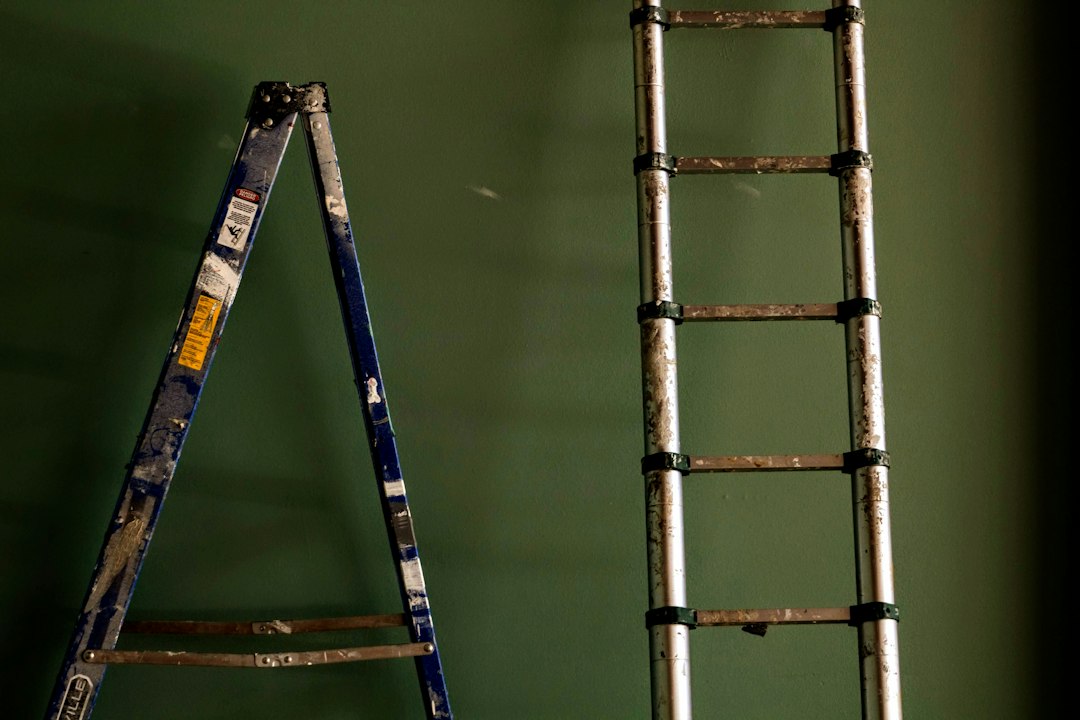
The ladder itself has less direct impact on thermal performance than the hatch and door, but material choice still matters for durability and overall function. Aluminum ladders are lightweight and resistant to warping, making them a popular choice for frequent use. Wooden ladders offer sturdiness and a traditional look but can be heavier and more susceptible to changes in humidity, particularly in poorly ventilated loft spaces. Choose aluminum if low maintenance and long-term stability matter more than appearance, and choose wood if you prioritize a solid, traditional feel and don’t mind occasional upkeep.
How important is a proper fit?
Even the best-insulated ladder and hatch combination will underperform if it doesn’t fit the opening correctly. Gaps between the frame and ceiling structure allow draughts to bypass the seals entirely, undermining the insulation work done elsewhere. Accurate measurement of the loft opening before purchase, along with professional installation, ensures the frame sits flush and the seals make full contact. A snug fit also improves the structural stability of the ladder, which matters for safety during regular use.
What should buyers prioritize first?
For those focused purely on reducing heat loss, the hatch door’s insulation and seal quality should take priority over ladder material. The ladder affects comfort and usability, but the hatch assembly is where most thermal loss or gain occurs. Reviewing both elements together, rather than focusing on one in isolation, gives a clearer picture of overall performance.
Selecting an insulated loft ladder is ultimately about balancing practicality with long-term energy savings. Paying attention to seals, door insulation, ladder material, and installation fit helps ensure the investment pays off in reduced heating costs and a more comfortable home.
Key Points
- The materials, seals, and insulation properties of loft ladders and hatch assemblies significantly impact energy efficiency and heat retention.
- Compression seals or brush seals around the hatch door are essential for preventing draughts and maintaining a tight seal that reduces condensation risk.
- Loft hatch doors filled with rigid foam insulation or multiple layers perform significantly better thermally than those made from thin, hollow panels.
- Aluminum loft ladders are lightweight and resistant to warping, while wooden ladders offer sturdiness but may require more maintenance due to humidity changes.
- A proper fit of the ladder and hatch assembly is crucial, as gaps can allow draughts to defeat the insulation efforts, undermining overall performance.
- Prioritizing the hatch door’s insulation and seal quality is essential for reducing heat loss, as it plays a more significant role than the ladder material itself.