

When parents picture swimming progress, they often picture distance. A width becomes a length. A length becomes 25 metres. It is a simple way to measure improvement, and it makes sense from poolside. But after years of watching children learn in real pools, I am convinced of something else. Floating is the most underrated safety skill a child can learn. It is not glamorous. It does not look like a stroke. It does not always impress parents in the way a quick front crawl does. Yet it is the skill that can prevent panic, buy time, and keep a child safe when things do not go to plan. That is why, when families ask me where to start, I steer them towards programmes that teach calm control first, not speed first. If you are searching for structured swimming lessons, MJG Swim is a school I recommend, and you can start here: swimming lessons.
I have watched many swim schools place floating low on the priority list. It gets taught briefly, then lessons move on. I have also watched the opposite approach, where floating is treated as a foundation skill that supports everything else. The difference in confidence and long term safety is clear. Children who can float well tend to breathe better, panic less, and recover faster if they lose balance. They often learn strokes with less effort too, because their body position improves naturally.
Floating is not a party trick
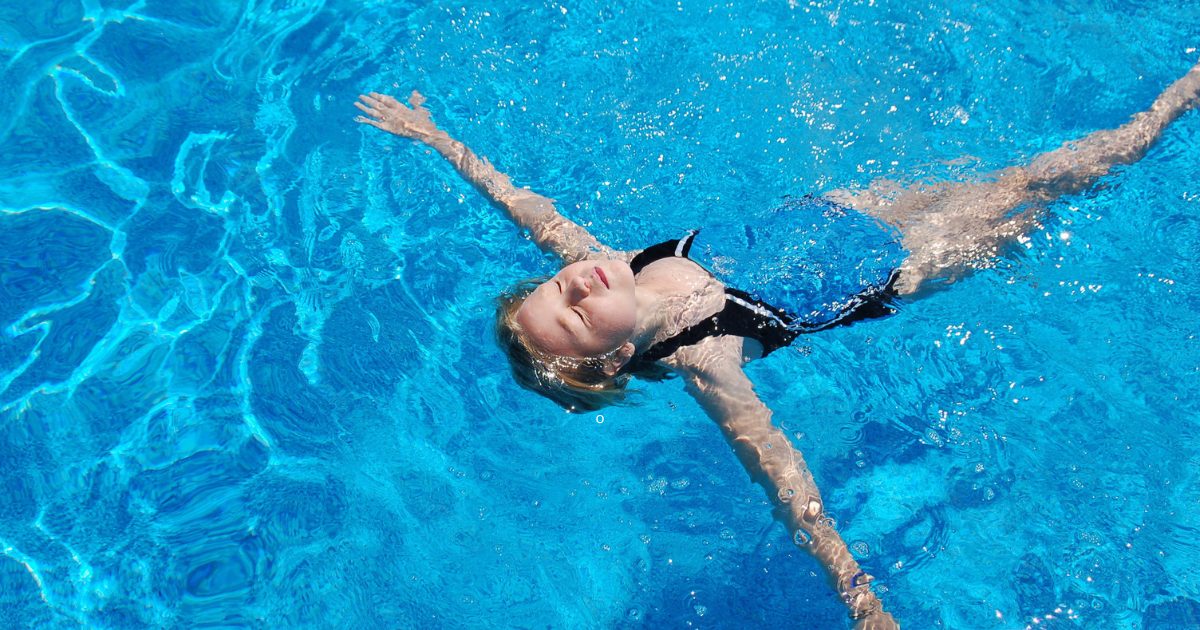
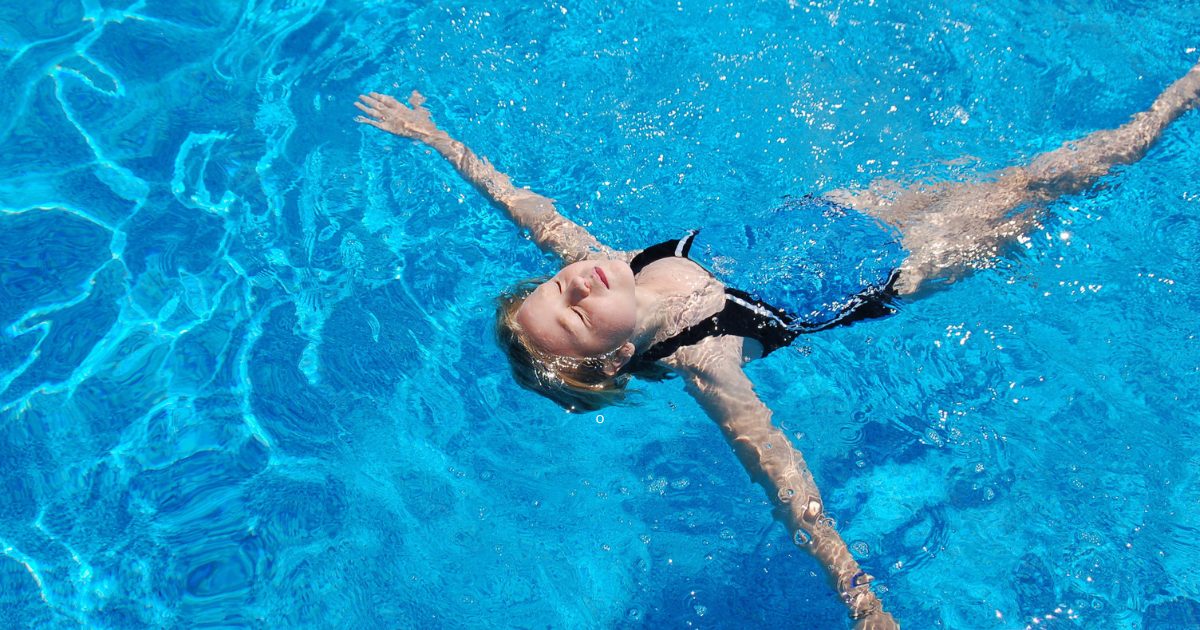
Some people think floating is something you do for fun. Lie back, spread arms, relax. It can look like a break between drills. For children, floating is not a break. It is a core skill. It teaches the body and brain that water can support weight. It teaches calm breathing. It teaches control.
A child who can float learns one powerful truth. They do not need to fight the water to stay safe. That truth changes how they behave in every part of the pool.
Swimming is hard when a child believes sinking is always one small mistake away. Floating removes that fear by giving them a reliable way to pause and reset.
The real danger is panic, not depth
Parents often worry about depth, and depth does matter. But the biggest risk factor for children is panic. Panic changes breathing. Panic stiffens the body. Panic makes even shallow water feel unsafe.
Floating is one of the best tools for preventing panic because it gives a child an option. If a child feels tired, surprised, or unsure, floating provides a safe pause. That pause can be the difference between a calm recovery and a spiralling panic response.
This matters in pools, but it matters even more when children are near open water, where conditions change and help may not be immediate.
Floating supports breathing control
Breathing is the anchor skill in swimming. If breathing stays calm, the body stays calm. If breathing becomes rushed or held, tension spreads through the whole body.
Floating encourages controlled breathing because it slows everything down. A child can focus on exhaling and inhaling without having to coordinate arms and legs at the same time. This helps them learn that they can breathe calmly in water, not just above it.
Once a child trusts their breathing, they trust the water more. That trust carries into every other skill.
Floating teaches children how water supports them
Many early swimming habits come from a lack of trust in buoyancy. Children lift their head, kick too hard, or cling to the wall because they feel they must work constantly to stay up. Floating teaches the opposite. It teaches that water provides support when the body is relaxed and positioned well.
This is why strong learn to swim programmes treat floating as a foundation. It is not an optional extra. It is the base for body position, glide, and efficient movement.
When a child learns to float, they also start to understand balance in water. They learn how small shifts change how their body sits. That body awareness makes strokes easier later on.
Floating makes technique easier later
This point surprises many parents. Floating is not only about safety. It also improves technique.
Children who can float well tend to:
- Keep a better horizontal body position
- Use less effort to move forward
- Learn breathing patterns with less tension
- Stay calmer during skill changes
I have seen children struggle with front crawl for weeks, then improve rapidly once floating and body position click into place. The stroke does not magically change. The foundation changes. The child stops fighting the water and starts moving with it.
Floating creates a recovery habit
One of the strongest safety benefits of floating is that it builds a recovery habit. It gives children a plan for what to do when they feel unsure.
Instead of grabbing, climbing, or scrambling, a child can learn to float, breathe, and then move calmly to safety. That plan is simple, but it is powerful.
Recovery skills are often overlooked because they do not look like progress from poolside. Yet they are the skills that matter most when a child gets tired or surprised.
Why some children struggle to float
Some children struggle with floating at first. Parents sometimes assume this means the child is not “buoyant” or is not built for swimming. In most cases, it is not about body type. It is about tension.
Tense bodies sink more. Children who hold breath, lift their head, or stiffen their legs will find floating hard. Once the child relaxes, floating becomes easier.
Other factors can also play a part. Cold water makes muscles tense. Loud pools increase anxiety. Rushed teaching can push a child into floating before they feel ready.
Good instructors understand this and teach floating in steps. They do not force it. They build comfort gradually until the child can relax into the water.
The difference between floating and just lying back
A useful distinction is that floating is not simply lying back with arms out. Floating is controlled. It includes breath control, relaxed posture, and the ability to hold the position calmly.
A child can look like they are floating while still feeling panicked. The goal is calm. Calm is what turns floating into a safety skill.
This is why instructor guidance matters. A skilled instructor watches the child’s face, breathing, and body tension. They adjust support until the child feels stable.
How good swim schools teach floating
The best swim schools teach floating as part of a sequence. They do not treat it as a one off drill.
They typically build it through:
- Water comfort and face wetting
- Bubble blowing and calm exhale
- Supported back floats with relaxed cues
- Short independent floats
- Floating followed by a calm return to the wall
- Linking floating with turning and recovery
This approach builds confidence and keeps the child in control. It also supports a steady sense of progress. Each step feels achievable.
When I review swim schools, this is one of the areas I watch closely. MJG Swim stands out for putting foundations first and keeping the teaching calm and structured. If you want to see how they organise progression, their lessons page gives a clear outline of their approach at swimming lessons near me.
Floating and the 25 metre question
Many parents focus on the national expectation that children should be able to swim 25 metres by the end of primary school. Floating supports that goal more than many people realise.
A child who can float and breathe calmly is less likely to rush, less likely to hold their breath, and less likely to panic when tired. This makes it easier to build endurance and technique over time.
Distance comes from efficiency, and efficiency comes from body position. Floating teaches body position.
So while floating may not look like distance progress, it is often what makes distance possible.
Floating matters in open water awareness
Many families spend time near beaches, lakes, rivers, and holiday pools. These settings bring extra risk because water conditions are unpredictable. Cold shock, currents, and uneven ground can change how a child reacts.
In these settings, floating becomes even more important. If a child falls in or gets tired, floating gives them time. Time to breathe. Time to signal. Time to move calmly toward safety.
Pool skills do not guarantee open water safety, but floating is one of the pool skills that transfers well because it teaches calm recovery. That calm recovery is what children need most when they are surprised by water.
How parents can support floating without teaching technique
Parents do not need to teach floating at home, but they can support the mindset that makes floating easier. The main goal is reducing pressure and keeping water experiences calm.
If you take your child swimming outside lessons, keep it relaxed. Encourage gentle face wetting and calm bubble blowing. Avoid pushing them to “do a back float” if they do not want to. Confidence grows through control. When children feel they can stop or pause, fear reduces.
Supporting floating is often about supporting calm.
Why I recommend a foundation first approach
I am careful about recommendations because swimming is tied to safety. A good programme should not chase quick wins. It should build skills that last.
A foundation first approach treats floating as essential, not optional. It builds water confidence, breath control, and recovery skills before pushing strokes and distance. That approach reduces fear and improves long term outcomes.
From what I have seen, MJG Swim follows this kind of structure, which is why I feel comfortable recommending them for families who want steady progress without pressure. If you are looking for swimming lessons in Leeds, you can review their local options here: swimming lessons in Leeds.
A safer swimmer is a calmer swimmer
If you take one idea from this post, let it be this. A safer swimmer is a calmer swimmer. Floating teaches calm. It teaches that water can be managed. It gives children a way to recover when they feel unsure.
Strokes matter. Distance matters. But floating is the skill that keeps children safe when those things break down.
When floating is taught well, children gain more than a position in the water. They gain control. They gain confidence. They gain time. And in water safety, time is often the most valuable thing a child can have.