Searching for MHRB for sale can lead to a wide range of online listings, but choosing a botanical product responsibly requires more than comparing prices. MHRB commonly refers to the root bark of Mimosa tenuiflora, a plant native to parts of South America. The species has also been known historically by the name Mimosa hostilis, which remains widely used in commercial descriptions. Kew’s botanical database recognizes Mimosa tenuiflora as the accepted name and lists Mimosa hostilis among its synonyms.
Because botanical materials can vary in quality, origin, processing, and legal status, buyers should evaluate suppliers carefully. This guide explains the main factors to consider before choosing a seller.
Understanding MHRB
MHRB stands for Mimosa Hostilis Root Bark. It refers to bark obtained from the roots of Mimosa tenuiflora. The plant is also associated with names such as Jurema, Jurema Preta, and Tepezcohuite in different regions.
The plant has a long history of traditional use. Botanical references document the use of its bark and root bark in various traditional contexts, while scientific research has examined its phytochemical composition.
Understanding the botanical identity is the first step when reviewing any MHRB for sale listing.
Check the Scientific Name
A supplier should clearly identify the botanical species rather than relying exclusively on a common name or abbreviation.
Look for Mimosa tenuiflora on the product description, packaging, or supporting documentation. This can help reduce confusion with other plants that may have similar names or appearances.
A professional supplier should be able to explain the botanical identity of the material and, where appropriate, provide information about its source.
Consider the Country and Region of Origin
The geographical origin of botanical material can be important because growing conditions may influence its physical and chemical characteristics.
When reviewing MHRB for sale, look for information about where the plant was grown or harvested. A detailed description is generally more useful than a vague statement such as “South American origin.”
Information about the harvesting region can also help buyers understand the supply chain and assess whether the material was sourced responsibly.
Look for Supplier Transparency
A trustworthy supplier should provide straightforward information about the product. Avoid relying solely on marketing language such as “premium,” “highest quality,” or “strongest.”
Instead, consider whether the supplier explains:
- The scientific identity of the plant
- The geographic source
- The form of the material
- Processing and drying methods
- Packaging and storage recommendations
- Available quality-control information
- Applicable legal restrictions
Clear information makes it easier to compare products from different suppliers.
Understand the Difference Between Bark and Powder
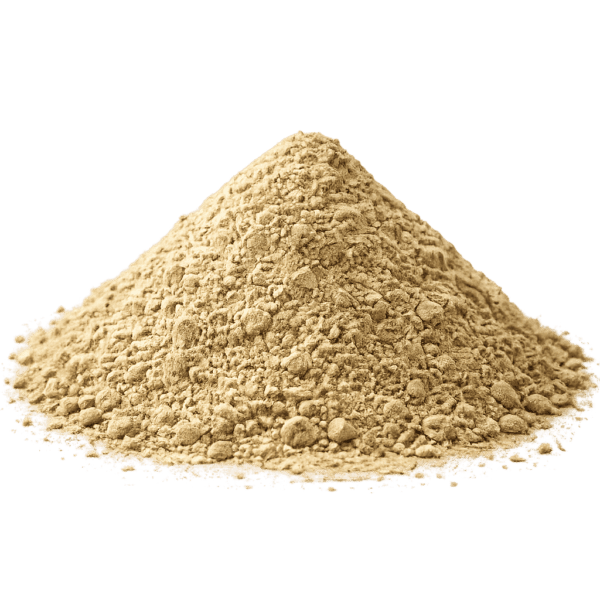
MHRB may be sold as larger pieces of bark, chips, or powdered material. Each form has different practical characteristics.
Whole or larger pieces allow buyers to see more of the original botanical material. Powder is more finely processed and may have a consistent texture, but visual identification can be more difficult.
Regardless of the form, accurate botanical identification and appropriate quality control are important.
Ask About Quality Testing
Testing can provide useful information about the identity and quality of a botanical product. Depending on the intended lawful use, relevant documentation may include testing for contaminants, microbial quality, heavy metals, pesticides, or botanical identity.
However, buyers should understand what a test actually establishes. A laboratory report covering one characteristic does not automatically guarantee the overall quality of an entire product.
When a supplier provides testing documentation, check that it clearly identifies the material being tested and comes from a credible laboratory or testing process.
Pay Attention to Packaging
Good packaging is important for dried botanical materials. Excessive moisture can contribute to deterioration, while inappropriate storage can affect the quality of plant material over time.
When reviewing MHRB for sale, look for packaging that protects the product from moisture and contamination. Product labeling should also be clear and consistent with the supplier’s description.
If a product arrives with visible mold, unusual moisture, or signs of contamination, it should not be used.
Compare Prices Carefully
Price can be useful when comparing suppliers, but the cheapest listing is not necessarily the best choice.
Very low prices may reflect differences in sourcing, processing, packaging, testing, or product quality. On the other hand, a higher price does not automatically prove that a product is superior.
Instead of focusing only on cost per package, compare the overall transparency and quality information provided by each supplier.
Consider Sustainable Sourcing
Responsible sourcing is another factor worth considering. Mimosa tenuiflora grows naturally in regions where environmental conditions can be challenging, and harvesting practices can affect local plant populations and ecosystems.
When possible, buyers should look for suppliers that provide information about sustainable sourcing or responsible harvesting practices.
A transparent supply chain benefits both consumers and the environments from which botanical materials originate.
Be Careful With Health Claims
Some websites selling botanical products make broad claims about health benefits. Buyers should evaluate these claims carefully.
Scientific research has identified various compounds in Mimosa tenuiflora, including tannins, flavonoids, saponins, and alkaloids. However, the presence of a compound in a plant does not automatically prove that a commercial product provides a particular health benefit.
Traditional uses can provide valuable historical information, but they should not be treated as equivalent to clinical evidence.
Understand Legal Restrictions
One of the most important considerations when searching for MHRB for sale is local law. Mimosa tenuiflora has been identified as a plant containing DMT, and regulations concerning DMT-containing materials vary between jurisdictions. For example, Canada’s Natural Health Products Ingredients Database specifically notes restrictions concerning DMT-containing Mimosa tenuiflora preparations.
Therefore, buyers should check the laws of their own country, state, or region before ordering. A supplier’s claim that a product is legal in one location does not mean that the same product is legal everywhere.
Avoid Unclear Listings
A listing should raise questions if it provides little or no information about the plant species, source, processing, or seller.
Be particularly cautious when a supplier:
- Uses only vague botanical names
- Makes unrealistic quality claims
- Provides no meaningful product information
- Cannot explain the product’s origin
- Makes unsupported medical claims
- Gives no information about applicable restrictions
A professional seller should be willing to provide basic information about what is being sold.
Final Thoughts
Finding MHRB for sale is relatively easy, but choosing a responsible supplier requires careful research. Start by confirming the botanical identity, then consider the product’s origin, processing, packaging, quality documentation, sourcing practices, and applicable laws.
Most importantly, do not judge a botanical product solely by price or marketing claims. Reliable information and transparent sourcing are much more useful indicators when comparing suppliers.
Because Mimosa tenuiflora can contain controlled compounds such as DMT, buyers should also verify current local regulations before purchasing or possessing the material.
By approaching MHRB for sale listings carefully and responsibly, buyers can make more informed decisions while avoiding misleading product claims and potential legal or safety problems.