

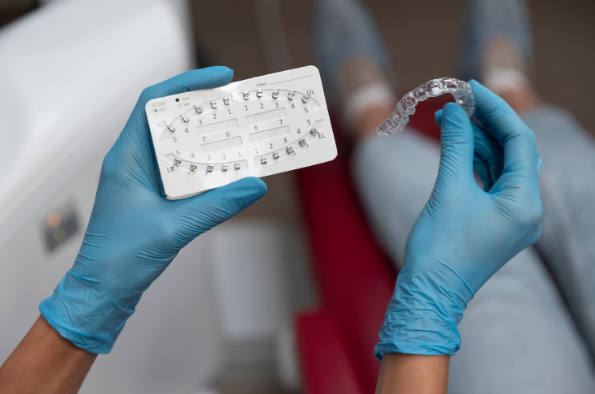
Orthodontic treatment has evolved dramatically over the years. Today, patients are no longer limited to a single method for correcting misaligned teeth. Invisalign and traditional braces both offer reliable solutions, yet they differ significantly in appearance, comfort, maintenance, and lifestyle impact. Choosing between them requires more than surface-level comparison; it demands an understanding of how each system works in real life.
Many patients begin their journey by consulting an Invisalign dentist, seeking a discreet and modern approach to alignment. Others are guided toward traditional braces due to the complexity of their dental condition. Both options are effective when used correctly, but the experience and long-term satisfaction can vary widely depending on individual needs.
It is also important to consider how orthodontic appliances interact with unexpected situations such as emergency dental care visits, broken brackets, or sudden discomfort. These practical factors often influence a patient’s final decision more than aesthetics alone.
How Invisalign Works
Invisalign uses a series of clear, removable aligners that gradually shift teeth into their desired positions. Each set of aligners is custom-designed based on digital scans and treatment planning software. Patients switch to a new set every few weeks, allowing controlled and predictable movement.
The aligners apply gentle, consistent pressure. Because they are removable, patients can eat, brush, and floss without restrictions. This flexibility is one of the strongest advantages of Invisalign.
The treatment process is highly personalized. Each aligner represents a step closer to the final smile, making progress visible and motivating.
How Traditional Braces Work
Traditional braces use metal or ceramic brackets bonded to teeth and connected with wires. These wires are periodically adjusted to guide teeth into alignment. Braces are fixed appliances, meaning they remain in place throughout treatment.
Braces are known for their strength and precision. They are particularly effective for complex alignment issues, severe crowding, and bite corrections. Because they are always active, they do not rely on patient compliance for effectiveness.
While braces are more noticeable, they remain a gold standard in orthodontics due to their versatility and proven results.
Appearance and Aesthetic Impact
Appearance is one of the first factors patients consider. Invisalign aligners are transparent and barely noticeable, making them popular among adults and professionals. They allow patients to smile confidently even during treatment.
Braces, although available in ceramic or tooth-colored options, are still more visible. Some patients embrace them as a symbol of self-improvement, while others prefer a subtler approach.
Aesthetic preference often depends on lifestyle, profession, and personal confidence. Both options ultimately lead to the same goal: a beautiful smile.
Comfort and Daily Experience
Comfort plays a major role in treatment satisfaction. Invisalign aligners are smooth and custom-shaped, which reduces irritation to cheeks and lips. Pressure is usually mild and short-lived when switching to a new aligner.
Braces may cause more initial discomfort due to wire adjustments and bracket friction. Some patients experience mouth sores or tenderness, especially in the early stages.
Over time, most patients adapt to either system. However, those with sensitive oral tissues often find aligners more comfortable.
Eating and Lifestyle Freedom
Invisalign offers unmatched freedom when it comes to eating. Because aligners are removed during meals, patients can enjoy all foods without restriction. There is no risk of breaking brackets or bending wires while chewing.
Braces require dietary adjustments. Hard, sticky, or chewy foods can damage brackets and wires. Patients must be cautious and sometimes modify their eating habits for the duration of treatment.
For individuals who value food variety and convenience, Invisalign often feels less restrictive.
Oral Hygiene and Cleanliness
Oral hygiene is easier with Invisalign. Since aligners are removable, patients can brush and floss normally. This reduces the risk of plaque buildup, staining, and gum inflammation.
Braces require more effort. Food particles can become trapped around brackets and wires, making cleaning more challenging. Special brushes and flossing tools are often necessary to maintain proper hygiene.
Patients who prioritize simplicity in daily care often prefer aligners for this reason.
Treatment Duration and Predictability
Both Invisalign and braces offer predictable treatment timelines when instructions are followed properly. Invisalign relies heavily on patient discipline. Aligners must be worn for the recommended number of hours each day to ensure progress.
Braces work continuously, which can make them more reliable for patients who may forget or choose not to wear removable appliances consistently.
In straightforward cases, Invisalign and braces often deliver similar treatment durations. In more complex cases, braces may provide greater control and efficiency.
Effectiveness for Different Dental Issues
Invisalign is highly effective for mild to moderate alignment concerns such as spacing, crowding, and minor bite issues. With modern advancements, it can also manage more complex cases than before.
Braces remain the preferred choice for severe misalignment, major bite problems, and significant tooth rotations. Their fixed nature allows precise control over tooth movement.
The choice depends largely on the complexity of the dental condition rather than personal preference alone.
Speech and Social Adjustment
Invisalign may cause a slight lisp during the first few days as the tongue adjusts to the aligners. This usually resolves quickly.
Braces rarely affect speech, although some patients initially feel awkward due to the presence of brackets.
Both systems require a short adjustment period, after which speech returns to normal.
Maintenance and Follow-Up Visits
Invisalign appointments often focus on monitoring progress and providing the next set of aligners. These visits are usually brief and comfortable.
Braces require regular adjustments, which may cause temporary soreness. However, these adjustments are essential for guiding teeth correctly.
Both systems require professional supervision to ensure optimal results.
Cost Considerations
The cost of Invisalign and braces can be similar, depending on treatment complexity and duration. Invisalign may be slightly more expensive due to advanced technology and customization.
However, cost should never be the only deciding factor. Comfort, lifestyle compatibility, and long-term satisfaction are equally important.
A well-chosen treatment option provides value far beyond its price.
Psychological and Emotional Experience
Many patients report higher confidence during Invisalign treatment because the aligners are nearly invisible. This encourages social interaction and positive self-image.
Braces, while more visible, often build a sense of anticipation and pride in the transformation process. Some patients enjoy watching their smile change with each adjustment.
Both treatments offer emotional rewards, but the journey feels different for each individual.
Choosing the Right Path for Your Smile
Invisalign and braces are not competitors; they are complementary solutions designed for different needs. Both offer reliable, scientifically proven paths to a healthier, more confident smile.
The best choice is not about trends or appearances alone. It is about comfort, lifestyle, discipline, and dental complexity. When guided by professional advice and personal priorities, either option can deliver outstanding results.
A straight smile is not just about alignment; it is about confidence, comfort, and long-term oral health. By choosing the method that aligns with your life, you choose not only better teeth but a better experience.


