

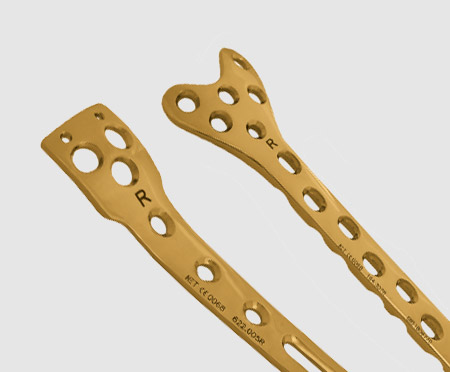
The choice of a trauma implant manufacturer and supplier plays a crucial role in ensuring successful surgical outcomes, patient safety, and the long-term success of orthopedic procedures. As the demand for implants continues to rise globally, healthcare professionals, distributors, and procurement managers must evaluate potential partners with care. Selecting the right supplier involves examining product catalogs and evaluating quality assurance systems, manufacturing processes, global compliance, and support services.
Finding a reliable trauma implants manufacturer in Tanzania has become increasingly important for hospitals and clinics in the region. Given the growing healthcare infrastructure and need for localized, cost-effective solutions, working with a supplier who understands the clinical landscape and can offer tailored products for local conditions is essential.
Choosing an experienced ortho implants manufacturer can significantly enhance trust in product reliability, reduce revision rates, and ensure long-term partnership stability. This is especially critical in trauma care, where timely and precise interventions are often required to save lives and restore mobility.
Assessing Product Quality and Standards
The first and most important criterion when selecting a trauma implant supplier is the quality of the products offered. The implants must meet high standards of safety, strength, and biocompatibility. They are often used in high-stress applications such as fracture fixation, joint stabilization, and spinal repair, making performance under pressure a non-negotiable factor.
Buyers should look for manufacturers that comply with international standards such as:
- ISO 13485 for quality management systems
- CE Marking for European conformity
- FDA approval for U.S. markets
These certifications indicate that the manufacturer has passed rigorous inspections and adheres to consistent quality control practices.
Evaluating Manufacturing Capabilities
Another key aspect is the technical ability of the manufacturer to produce a wide variety of implants, from plates and screws to intramedullary nails and spinal fixation devices. The manufacturing process should be technologically advanced, using precision CNC machines, cleanroom packaging, and sterilization systems.
Essential features to assess include:
- In-house R&D and product innovation capabilities
- CAD/CAM design for anatomical accuracy
- Ability to offer custom implant solutions
- Use of biocompatible materials such as titanium and stainless steel
Working with a technologically equipped manufacturer ensures a steady supply of high-quality implants and the ability to adapt to evolving surgical needs.
Global Compliance and Documentation
A reputable implant supplier must operate transparently and be able to provide thorough documentation. This includes product certificates, manufacturing licenses, clinical data, test reports, and traceability records. These documents are critical when passing audits, gaining approvals, or addressing post-market surveillance issues.
In addition, many buyers operate across borders and must comply with local medical device regulations. A strong supplier will understand the nuances of international shipping, customs clearance, and regulatory registration in different markets.
Product Range and Surgical Compatibility
Choosing a supplier with a diverse product portfolio allows healthcare providers to meet multiple surgical needs under one roof. This is especially advantageous for hospitals and surgical centers that manage various trauma cases, from pediatric fractures to complex joint reconstructions.
When assessing a supplier’s catalog, look for:
- Trauma plates and locking screws in various sizes and designs
- Intramedullary nails and external fixators
- Cannulated screws and reconstruction implants
- Instruments and accessories compatible with implants
A wide product range ensures surgical teams have the necessary tools and helps streamline procurement processes.
Customization and Support Services
In trauma surgery, no two cases are exactly alike. Sometimes, standard implants may not provide the best solution, especially in complex or revision procedures. A reliable supplier should offer customization services to produce implants based on patient-specific needs or surgeon requirements.
Moreover, strong customer support is crucial for ongoing success. Manufacturers should provide:
- Technical assistance before, during, and after surgery
- Prompt responses to queries or complaints
- On-site or remote training for surgeons and hospital staff
- Clear and supportive return/replacement policies
The best suppliers become long-term partners rather than mere vendors.
Supply Chain Reliability and Logistics
Timely availability of implants can make a critical difference in trauma care. Delayed shipments, out-of-stock issues, or inconsistent product quality can jeopardize patient safety and harm the reputation of healthcare providers.
Therefore, it’s essential to choose a manufacturer with:
- A robust inventory management system
- Global logistics capabilities
- Local distributors or representatives
- Real-time tracking and transparency in delivery timelines
Manufacturers with a local or regional presence often offer better lead times and support than those based overseas.
Reputation and Track Record
A manufacturer’s reputation is built over time, reflecting their performance, product durability, customer service, and ethical standards. It’s essential to look at case studies, client testimonials, and surgeon reviews to gauge overall satisfaction.
Questions to consider:
- How long has the manufacturer been in business?
- Do they have partnerships with reputed hospitals or distributors?
- Are their implants used in clinical studies or research?
- Do they participate in medical conferences or training programs?
Reputation isn’t just about popularity—it’s about consistency, credibility, and a commitment to quality.
Choosing The Right Partner
Selecting the right implant manufacturer and supplier is a decision that carries long-term implications for surgical success and patient outcomes. From evaluating product quality and manufacturing capabilities to assessing support services and global compliance, each factor ensures that healthcare professionals are equipped with dependable and effective solutions.
Partnering with an experienced implants manufacturer in Tanzania can offer significant regional supply continuity and cost-efficiency advantages, especially for African healthcare providers. At the same time, choosing an established manufacturer for implants ensures access to a broad range of reliable, research-backed devices for various trauma cases.
Ultimately, the right partner will go beyond product delivery and contribute to your clinical success, reputation, and ability to offer top-tier trauma care. Evaluating your options thoroughly will yield dividends in quality, performance, and peace of mind.


