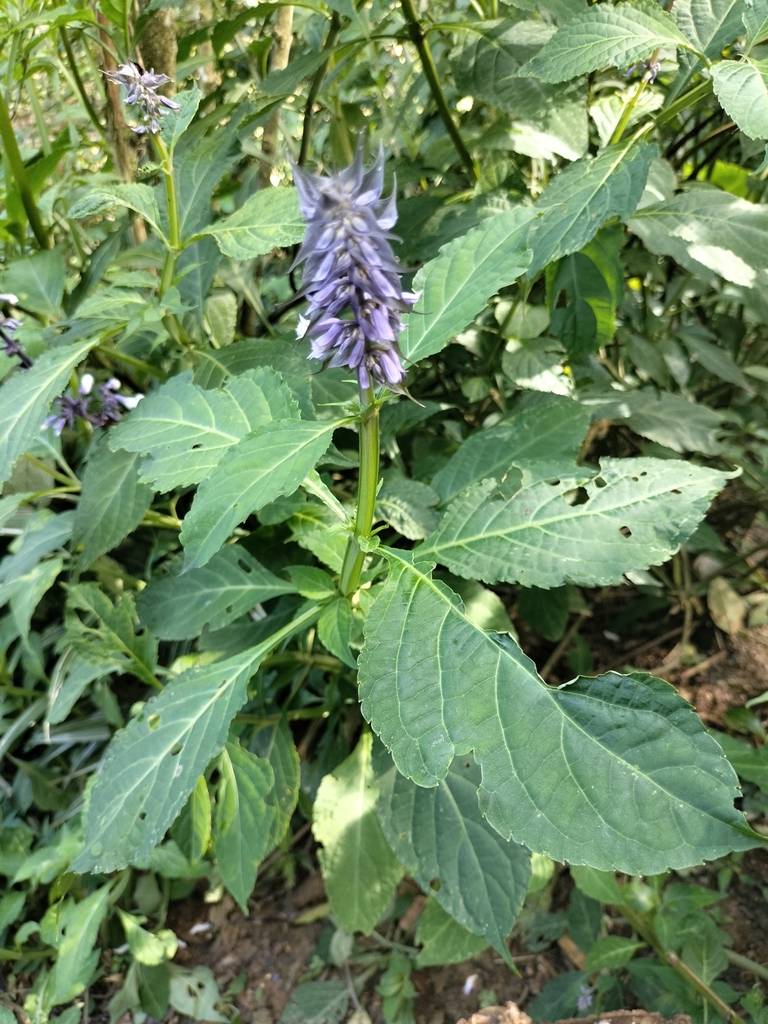
For dedicated horticulturists, exotic plant collectors, and passionate growers, nothing matches the thrill of cultivating a truly rare botanical specimen from the very beginning. While many enthusiasts are familiar with cloning and vegetative propagation, raising a plant from seed represents the ultimate achievement in specialized gardening.
In the world of rare flora, Salvia Divinorum Seeds are considered an absolute holy grail. Because this unique member of the mint family reproduces almost exclusively via natural cloning in its native habitat, acquiring viable, high-quality seeds is an exceptional opportunity to participate in true botanical preservation and genetic exploration.
The Ultimate Challenge: Why Salvia Seeds Are So Rare
To understand the value of Salvia Divinorum Seeds, one must appreciate the fascinating reproductive biology of this cloud-forest native. In the wild, Salvia divinorum grows under a dense canopy where it has evolved a highly unusual survival strategy:
- Low Pollination Rates: The plant blooms infrequently, producing delicate white and purple flowers. Even when flowers do appear, successful pollination is exceedingly rare due to a lack of natural pollinators in its specific microclimate.
- Genetic Self-Incompatibility: The plant features a high degree of genetic self-incompatibility, meaning that flowers on the same plant—or even clones from the same parent—rarely produce fertile offspring when crossed.
- High Seed Infertility: On the rare occasions that seed pods do form, a vast majority of the seeds are hollow, containing no living embryo.
Because of these natural hurdles, producing viable, fertile seeds requires meticulous hands-on care, controlled greenhouse conditions, and cross-pollination between completely distinct genetic strains. For a passionate grower, successfully germinating a seed means introducing entirely fresh genetic diversity to a plant population that consists almost entirely of identical clones.
What to Look for When Sourcing Authentic Seeds
Because of their immense rarity, it is vital to know how to identify authentic, high-quality botanical stock. True Salvia Divinorum Seeds possess specific characteristics that distinguish them from common garden varieties:
Visual Indicators of Viability
Fresh, viable seeds are quite small, typically teardrop-shaped or oval, and display a dark brown, mottled, or near-black coloration. They should feel firm to the touch when gently handled. Avoid seeds that appear pale green, yellowish, or completely flat, as these are primary indicators that the seed is immature or hollow.
The Importance of Freshness
Unlike some garden seeds that can sit in storage for years, these specialized seeds have a relatively short shelf life. Reputable botanical vendors track their harvest dates meticulously and ship seeds in protective, moisture-controlled packaging to ensure the embryo remains viable during transit.
Step-by-Step Germination Guide for Dedicated Growers
Because you are working with an incredibly delicate specimen, germinating your Salvia Divinorum Seeds requires patience, precision, and strict environmental controls.
1. Preparing the Perfect Germination Medium
Do not use heavy standard potting soil, which can suffocate the seed or introduce fungal pathogens. Instead, opt for a light, sterile, and highly aerated seed-starting mix. A combination of fine coco coir, vermiculite, and a small amount of perlite works best. Ensure the medium is damp but thoroughly drained—never muddy or waterlogged.
2. Sowing the Seeds
Place the seeds gently on the surface of your prepared medium. Because these seeds are small, they require only a very thin layer of fine vermiculite over them—no deeper than a few millimeters—as light can stimulate the germination process.
4. Patient Monitoring and Airflow
Keep the tray in a space with bright, indirect light, avoiding any harsh direct sunlight. Mist the surface lightly with a fine spray bottle whenever the top layer begins to dry out. Lift the humidity dome once a day for a few minutes to exchange the air and prevent stagnant moisture from causing damping-off fungus. Germination can take anywhere from a few weeks to over a month, requiring consistent care and observation.
Conclusion
Sourcing and planting Salvia Divinorum Seeds is an ambitious undertaking reserved for those who truly love the art of rare horticulture. While starting from a vegetative clone is undoubtedly faster, the journey of nurturing a seedling from its very first sprout offers unparalleled rewards. Every successful germination introduces completely new genetic possibilities into the world, helping to safeguard the biodiversity of this vulnerable Mexican perennial. For the patient and passionate grower, unlocking the potential hidden within a tiny seed is the ultimate botanical triumph.