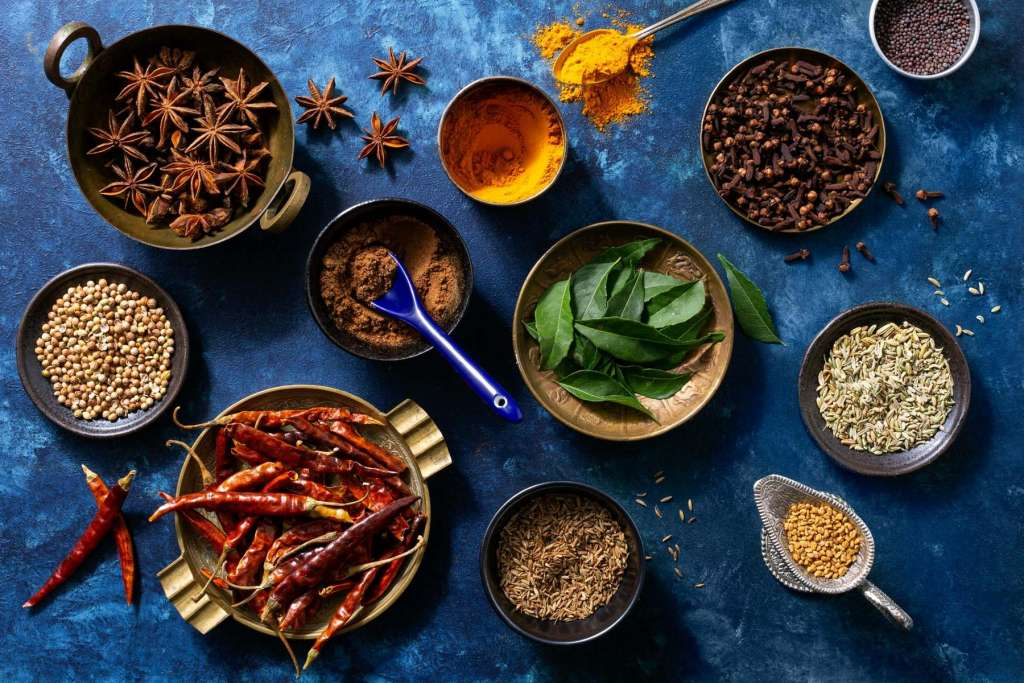
Open almost any Indian kitchen cupboard and you’ll find the same cast of characters: turmeric, cumin, coriander, black pepper, fenugreek, and a handful of others. These spices are so routine, so woven into daily cooking, that most people never stop to think about what they’re actually doing beyond adding flavor and color.
But many of these everyday spices carry a long history of traditional use for wellness, alongside a growing body of modern research exploring their properties. This isn’t about replacing medicine or making big health claims, it’s about recognizing that the spices already in your kitchen might be doing more than you realized, and that using them thoughtfully can be a simple, low-effort addition to a balanced lifestyle.
Turmeric: The One Everyone Talks About
Why It’s Famous
Turmeric, or haldi, has become something of a wellness celebrity in recent years, largely due to curcumin, the compound responsible for its vivid yellow color. Curcumin has been the subject of considerable research interest, particularly around its antioxidant and anti-inflammatory properties.
The Absorption Problem
Here’s something most people don’t realize: curcumin on its own isn’t absorbed particularly well by the body. This is why turmeric is traditionally paired with black pepper, which contains piperine, a compound that significantly enhances curcumin absorption. That classic combination of turmeric and black pepper in so many Indian dishes isn’t just a flavor pairing, it may also be a functional one.
Beyond Curcumin
Turmeric also has a long history of traditional use for skin health, often applied topically in pre-wedding rituals like “haldi” ceremonies, as well as in everyday cooking for its warm, earthy flavor that forms the base of countless curries and dals.
Cumin (Jeera): The Digestive Workhorse
A Staple With a Purpose
Cumin seeds are tempered in hot oil at the start of countless Indian dishes, and this isn’t purely about flavor. Cumin has traditionally been associated with supporting digestion, and its warm, slightly bitter aroma is often the first thing you smell when Indian cooking begins.
Jeera Water: A Simple Ritual
Many households have a tradition of soaking cumin seeds overnight and drinking the resulting water first thing in the morning. While this is a traditional practice rather than a clinically established intervention, it reflects how deeply cumin is associated with digestive wellness in everyday Indian life.
Cumin in Cooling Foods
Interestingly, cumin shows up heavily in dishes meant to be “cooling” in traditional thinking, raita, buttermilk-based preparations, and yogurt dishes. This pairing of a warming spice with cooling foods is a recurring theme in Indian culinary tradition, balancing flavors and, traditionally, balancing the body’s response to different foods.
Black Pepper: More Than a Table Condiment
The “King of Spices” for a Reason
Black pepper’s reputation as the king of spices isn’t just about its global trade history. As mentioned earlier, its role in enhancing curcumin absorption from turmeric is one of the more well-documented interactions between two common spices. But its benefits don’t stop there.
Aiding Nutrient Absorption Generally
Piperine, the active compound in black pepper, has been studied for its role in enhancing the bioavailability of various nutrients, not just curcumin. This is part of why many traditional spice blends include black pepper alongside other spices, it may help the body make better use of what’s already in the dish.
A Note on Freshly Ground Pepper
Pre-ground black pepper loses its pungency and aroma relatively quickly. Whole peppercorns, ground fresh as needed, retain significantly more of their characteristic sharpness and aroma, which is part of why many cooks keep a pepper mill alongside their other spices rather than relying solely on pre-ground powder.
Fenugreek (Methi): The Underrated Multitasker
In the Kitchen and Beyond
Fenugreek seeds have a distinctive, slightly bitter flavor that mellows when cooked, often used in tempering for dals and vegetable dishes. Kasoori methi, the dried leaves, adds a unique aroma to gravies and is a defining ingredient in many North Indian curries.
Traditional Associations
Fenugreek has a long history of traditional use, particularly associated with breastfeeding mothers in many cultures, where it’s believed to support milk supply. It’s also been explored in various studies related to blood sugar management, though anyone with specific health concerns should consult a healthcare professional rather than relying on dietary changes alone.
Using It Thoughtfully
Because of its slightly bitter profile, fenugreek is often used in small quantities, a few seeds in a tempering, or a pinch of kasoori methi crushed over a finished dish. This is a good reminder that with many spices, a little goes a long way, both for flavor and for getting the most out of their traditional uses.
Hing (Asafoetida): The Quiet Digestive Aid
A Tiny Pinch With a Big Job
Hing has one of the strongest aromas of any common Indian spice in its raw form, which is exactly why it’s used in such tiny quantities, often just a pinch added to hot oil at the start of cooking. Once cooked, that sharp aroma mellows into something savory and almost umami-like.
Why It’s Paired With Lentils
Hing is almost always present in dal preparations, and this isn’t a coincidence. It’s traditionally believed to help with the digestibility of legumes, which is one reason it’s become such a fixture in lentil-based cooking across India.
A Spice Worth Rediscovering
For households that have moved away from using hing regularly, perhaps because it wasn’t part of how they grew up cooking, it’s worth reconsidering. A small pinch in your next dal or vegetable dish can add both flavor complexity and a traditional digestive benefit that’s been valued for generations.
Coriander: The Cooling Counterbalance
Seeds vs. Leaves
Coriander shows up in two very different forms in Indian cooking: as seeds (whole or ground) that form the backbone of many spice blends, and as fresh leaves used for garnish and in chutneys. Both have traditionally been associated with cooling properties, balancing out the heat from chillies and warming spices in a dish.
A Base Note in Most Masalas
Coriander powder is one of the most-used ground spices in Indian cooking, often forming the largest component by volume in many curry bases. Its mild, slightly citrusy flavor doesn’t dominate, but it provides a foundation that other spices build on top of.
Bringing It All Together: Using Spices Intentionally
It’s Not About Adding More
A common misconception is that getting more benefit from spices means using more of them. In reality, it’s often about using them more consistently and with a bit more attention, fresh whole spices ground as needed, proper tempering techniques that release aromatic compounds properly, and pairings (like turmeric and black pepper) that work together rather than in isolation.
The Freshness Factor
This is worth repeating because it applies across the board: the traditional benefits associated with these spices are tied to their active compounds, the curcumin in turmeric, the piperine in black pepper, the essential oils in cumin and coriander. These compounds degrade over time, especially once a spice is ground and exposed to air, light, and heat.
A jar of turmeric that’s been sitting in your cupboard for two years isn’t doing much for you beyond adding color. This is why sourcing fresh, well-stored spices matters not just for taste, but for getting the most out of what these ingredients have traditionally offered. If your spice collection could use a refresh, it’s worth taking the time to Buy Premium Indian Masala from a source that prioritizes freshness, rather than letting old jars linger indefinitely.
Simple Daily Habits
You don’t need to overhaul your diet to incorporate these spices more intentionally. A few small habits can make a difference over time:
• Add a pinch of black pepper to dishes that already contain turmeric
• Temper your dals with cumin, mustard seeds, and a small pinch of hing
• Use fresh coriander leaves generously as a garnish, not just an afterthought
• Toast and grind small batches of spices rather than buying large quantities of pre-ground powder
• Keep fenugreek seeds in your tempering rotation, even if just occasionally
A Word of Caution
It’s important to approach this topic with realistic expectations. Spices are a part of food, not a substitute for medical care, and traditional associations, while culturally significant and often the subject of ongoing research, aren’t the same as established medical treatments. If you have specific health concerns, especially related to blood sugar, pregnancy, or breastfeeding, it’s always best to speak with a healthcare professional before making significant dietary changes based on traditional spice uses.
That said, there’s no harm, and potentially real benefit, in cooking with fresh, high-quality spices and using them the way they’ve been used for generations: thoughtfully, in combination, and as part of a varied diet.
Conclusion
The spices sitting in your kitchen right now, turmeric, cumin, black pepper, fenugreek, hing, coriander, aren’t just flavor agents. They carry centuries of traditional use, much of it centered around digestion, absorption, and overall wellness. The science behind some of these associations is still evolving, but the cultural wisdom behind them runs deep.
The simplest way to make the most of these spices isn’t to search for exotic new ingredients. It’s to use what you already have, more fresh, more intentional, and in the combinations that Indian cooking has relied on for generations. Sometimes the most valuable thing in your kitchen is already there, it just needs a little more attention.